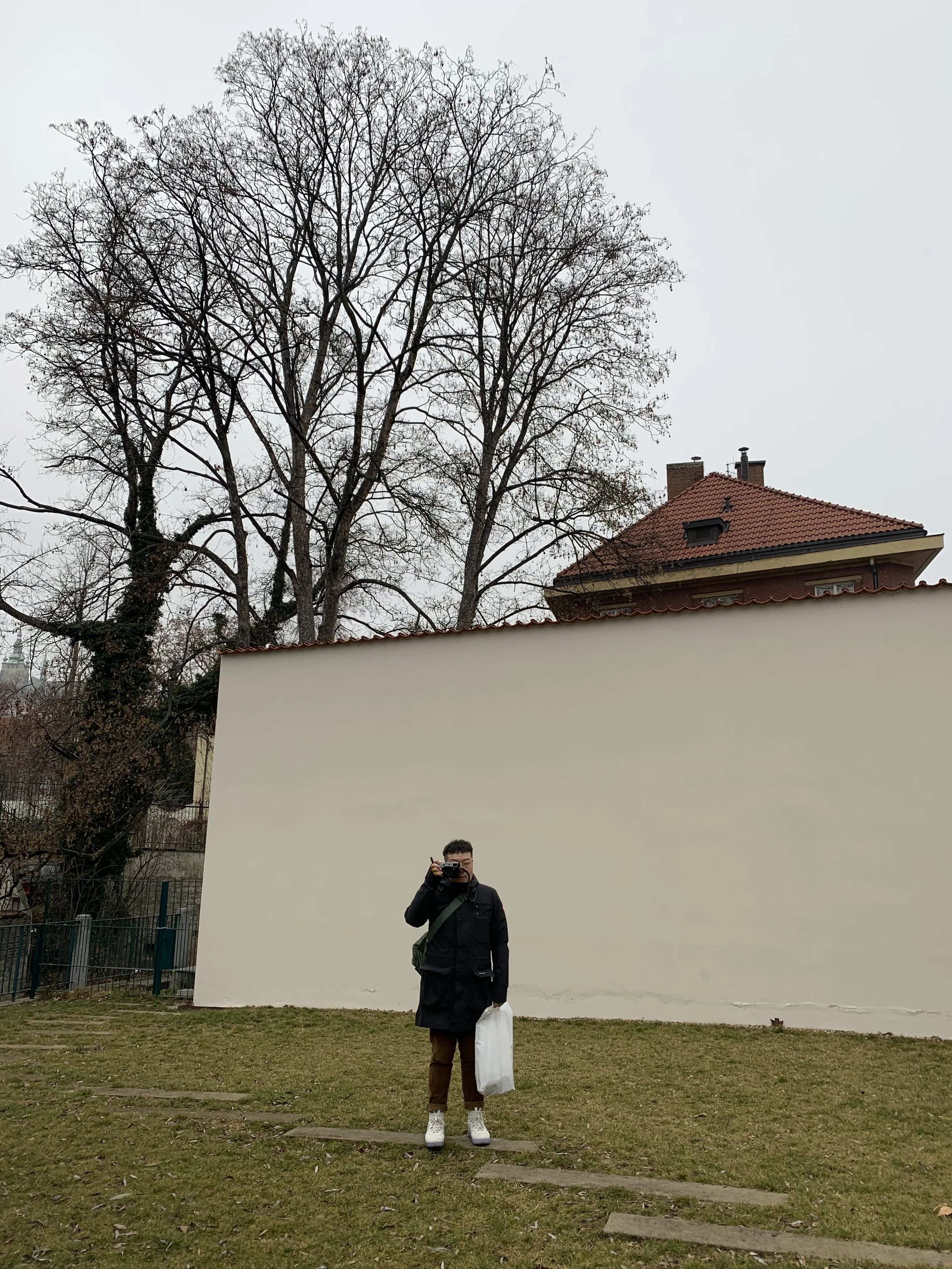
👋 Hi, I'm Justin.
I got into product design for a simple reason: I wanted to build things that actually matter to real people. That north star hasn’t changed, but the landscape around it certainly has.
When generative AI broke into the mainstream, it completely rewired how we think about what a product can be. Shortly after, I found myself at Amazon working on Alexa+, my first time designing for AI instead of just around it. It was thrilling and, honestly, a little unnerving. Nobody had written the playbook for these interaction patterns yet. How do you design an interface for a system that might give you a completely different answer the second time you ask?
Later, while building the design system for Amazon Nova, Figma introduced MCP, meaning AI tools and design software could actually talk to each other. The ground shifted under a workflow I had only just mastered. Instead of resisting, I pushed myself to adapt: could a coding agent read my specs directly? Could I test ten distinct visual directions before lunch instead of one? Answering those questions quickly became more interesting to me than the project itself.
That curiosity is exactly why I left big tech to join a startup. I wanted deep ownership of an entirely AI-native design practice. At Wizard AI, I’ve had the chance to rebuild how we work from the ground up by rethinking how requirements get written, how critiques are run, and how we synthesize user research into clickable prototypes without losing a week to the process. I started as a team of one and recently brought on a second designer to help carry that vision forward.
Here’s the reality beneath the portfolio: like a lot of folks doing this work right now, I feel a mix of immense excitement and genuine apprehension. Nobody knows exactly how much AI will reshape what a product designer does, but it’s already changing my day-to-day whether I'm ready or not. Since that shift is happening regardless, I’d rather be the person wielding the tool than the one getting used by it.
But there is one thing I will never trade for speed: empathy. It is the entire reason I became a designer, and no amount of automation changes that mandate. Whatever these tools become, we are still designing for human beings. You can't automate giving a damn.
I'm currently looking for my next Staff or Lead role, ideally with a team that is navigating these exact questions in real time. When I'm not untangling the future of AI interfaces, you'll usually find me around Atlanta shooting photos on my Leica, or spending downtime with my wife, Yumi, and our son, Ethan. If you're building something thoughtful and headed in a similar direction, say hello.
“When I am not designing, I am usually shooting street photography. It really stems from the same curiosity, just observing people instead of user patterns. I travel with my camera gear everywhere I go, and when I need a break from screens and viewfinders entirely, I take my bike out and ride around Atlanta until my head clears.”
what I like